photo by Nicolas Mirguet
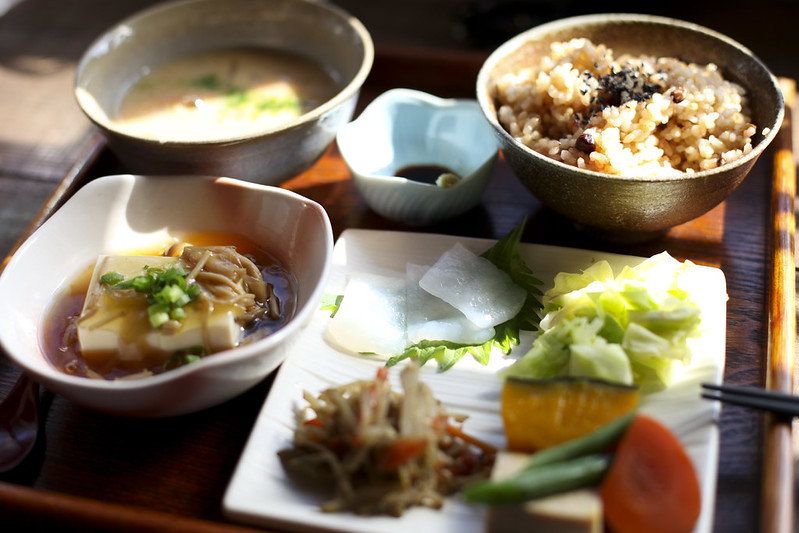
After transportation and accommodation, there is one more area where you can cut costs while traveling—food, of course. Most of us eat three meals a day, so as the days add up, so does the expense. That said, Japanese cuisine is one of the top reasons people look forward to visiting Japan, and it is something you’ll definitely want to enjoy to the fullest. This holds true whether you are living in Japan or visiting from abroad. So how do locals manage to savor delicious meals while keeping food expenses low when traveling within Japan?
Shop at Local Supermarkets (Don’t Forget the Time Sales!)
One of the most effective ways to save on food expenses while traveling is to skip dining out or takeout and instead buy ready-made meals and side dishes from supermarkets near your accommodation. While convenience stores also sell bento boxes and deli items, supermarkets typically offer them at lower prices. What’s more, most supermarkets hold daily time sales, where pre-made foods are discounted after a certain amount of time has passed since they were prepared. The timing of these sales varies by store, but they often occur in the early morning or late afternoon.
If your accommodation has cooking facilities, another budget-friendly option is to buy frozen meals from supermarkets or convenience stores.
Save on Food by Cooking Your Own Meals
If you are planning a longer trip, one great way to cut food costs is by staying at accommodations equipped with a kitchen and cooking utensils. Booking an apartment or a vacation rental often means you will have access to cookware, dishes, and a full kitchen, allowing you to prepare meals just like you would at home. By purchasing ingredients at nearby supermarkets or morning markets, you can significantly reduce your food expenses compared to eating out three times a day.
Plus, local supermarkets and markets often sell regional specialties, giving you the chance to cook and enjoy unique dishes that you might not find anywhere else.
Dine Out at Budget Restaurant Chains or during Lunchtime
Japan is known for relatively affordable dining compared to other developed countries, but even here, restaurant prices have been rising due to recent inflation. To keep dining-out costs as low as possible, one of the best options is to dine in at budget-friendly restaurant chains. The following groups have restaurants across Japan: Saizeriya (Italian), Matsuya (beef bowls), Kourakuen (ramen), Gyoza Ohsho (Chinese), Kurazushi, Sushiro (sushi), Ootoya, and Yayoi-ken (Japanese).
Another great option beyond chains is the lunch menu at privately own restaurants. Lunchtime is typically the busiest time of the day, so many places offer satisfying dishes at lower prices than usual. If you are going to eat out, lunchtime is the perfect chance to enjoy a restaurant’s signature dishes at a bargain.
Discover Local Specialties at Morning Markets
If you are hoping to enjoy local cuisine on your trip without breaking the bank, then visiting a morning market is a must. These markets, held regularly in towns across Japan, offer a wide variety of local produce and specialty goods. They are especially common in coastal towns with fishing ports or regions known for unique local products, and are often held on weekends.
While you can certainly find local ingredients at supermarkets, the real charm of morning markets lies in the freshness of the food. Plus, since it is a market setting, you can chat with vendors about their products or even try your hand at a little price negotiation—an experience in itself!
Some of the most famous morning markets include Katsuura Morning Market in Chiba, Hakodate Morning Market in Hokkaido, and Wajima Morning Market in Ishikawa. But there are many others held throughout Japan. Local government websites usually post information about upcoming markets, so if your trip includes a weekend, it’s worth checking whether there’s one near your destination.
Clever Use of 100-yen Stores
100-yen stores sell a wide variety of items for 100 yen (excluding tax) across Japan. They are often known as shops for everyday goods, but they also offer food products such as snacks, dried foods, and spices. Although they carry a smaller selection of food compared to supermarkets, certain items can be found at lower prices. In addition, many products are available in small sizes, which is especially convenient for tourists who only need a little. Daiso and Seria are two of the major 100-yen store chains in Japan.
Travel makes you richer
Japanese cuisine is beloved around the world, and according to the Japan Tourism Agency, enjoying Japanese food consistently ranks among the top reasons people visit the country. A few decades ago, “Japanese food” mostly meant classics like sushi and tempura. But today, the variety is far broader—ramen, katsu curry, traditional sweets, and countless other dishes now fall under the umbrella of Japanese cuisine. Dining out for every meal can be expensive, but by combining the tips we’ve shared today, you’ll find plenty of ways to enjoy delicious Japanese food without overspending. When you travel in Japan, don’t just focus on sightseeing—make sure to savor the local flavors in every region you visit. Dining out for every meal can be expensive, but by combining the tips we have shared today, you will find plenty of ways to enjoy delicious Japanese food without overspending. When you travel in Japan, don’t just focus on sightseeing—make sure to savor the local flavors in every region you visit.