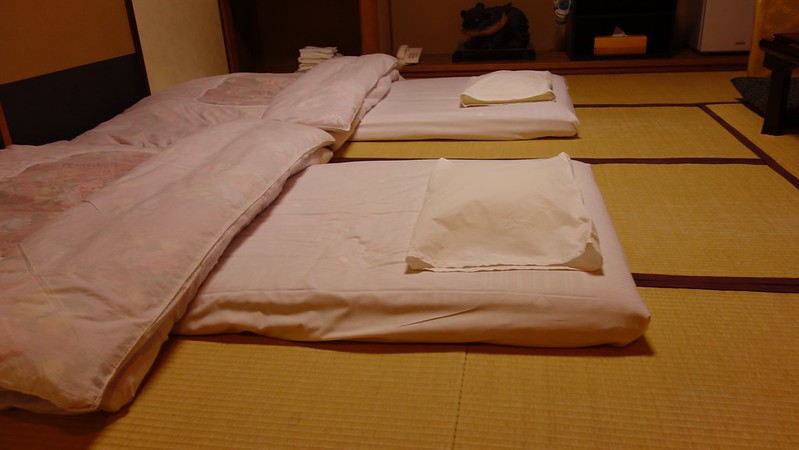
photo by Rosa G.
Along with transportation, accommodation is one of the biggest expenses when traveling. In Japan, commercial lodging such as hotels and traditional inns (ryokan) can be quite costly, and staying multiple nights can quickly add up. While most travelers want to keep accommodation costs as low as possible, focusing too much on price can mean sacrificing comfort or a convenient location. So how do Japanese travelers strike a balance and keep lodging expenses down without compromising too much? In this column, we will explore practical tips and strategies commonly used in Japan to save on accommodation while traveling domestically.
Private Lodging (Minpaku)
If you are trying to find the most budget-friendly place to stay, private lodging (minpaku) is often a better option than hotels or traditional inns (ryokan). Minpaku refers to private homes or apartments that are offered as short-term accommodations. You can stay for just one night or for an extended period, and prices often start from just a few thousand yen, making them significantly more affordable than commercial facilities. Because these are residential properties, they typically come equipped with everyday amenities like kitchens and washing machines, making them ideal for longer stays. However, unlike hotels or inns, minpaku accommodations usually do not offer front desk services or daily cleaning. They are often located in residential neighborhoods, which can mean less convenient access to public transportation or difficulty finding the property. One of the unique appeals of minpaku is the chance to stay in places you wouldn’t normally experience—such as repurposed school buildings in rural areas. Many listings are priced per property rather than per person, so traveling with a group can dramatically reduce costs. You can search for minpaku accommodations on platforms like Stay Japan or Airbnb.
Early-bird/Last-minute Deal on Search Site
Staying at hotels or ryokan in Japan can be expensive, and that is hard to avoid. Still, if comfort is your top priority, you can find early booking discounts on hotel search platforms like Rakuten Travel, Yahoo Travel, Jalan, and Expedia. These discounts typically offer 5% off for bookings made at least 7 days in advance, 10% off for 14 days, and up to 15% off for reservations made 30 days ahead.
On the other side, there are also same-day discounts. Most accommodations begin check-in around 3:00 PM, and any rooms that remain unbooked after that time may be offered at reduced rates. Just like early booking deals, these discounts can be found and reserved through the same hotel search sites. While same-day deals are harder to come by during peak travel seasons, they’re often easier to find on weekdays during off-peak periods.
Rakuten Travel
YahooTravel
Jalan
Expedia
Highway Bus/Ferry/Sleeper Train
For travelers who do not mind longer journeys and want to stretch their budget, using overnight buses, ferries, or sleeper trains is a great option. By traveling while you sleep, you can reach your destination by morning and avoid paying for a night at an accommodation. Since these types of transport typically take much longer than trains or flights, they tend to be significantly cheaper. Incorporating these options into your itinerary can lead to substantial savings on your overall travel expenses.
As for sleeper trains, their numbers have dwindled in Japan over the years. Currently, the only regularly operating overnight trains are the Sunrise Izumo, which runs between Tokyo and the San’in region, and the Sunrise Seto, which connects Tokyo with Takamatsu in Shikoku.
Despite the limited options, these sleeper trains remain convenient for travelers heading from the Kanto region to major stations in the Tokai and Chugoku regions.
Kosokubus.com (highway bus)
Willer Travel (ferry/bus)
JR Odekake Net (Sunrise Izumo/Seto)
Manga Cafe
Manga cafés are widely accepted as a unique culture in Japanese society. Many of manga cafes open 24 hours a day, offering private booths for customers to read comic books. They have visitor plans for tourists which require no member registrations. They also serve as internet cafes offering Wi-Fi, computers, self-serve drink bars with hot beverages and juices, light snacks, and in some cases even showers and powder rooms. Because they are not lodging facilities and therefore do not provide beds or bedding. Instead, they offer partitioned booths with a chair and desk, making them far more comfortable for spending the night than an ordinary restaurant.
Couchsurfing
One of the best ways to cut down on travel accommodation costs is to stay at someone’s home. Couchsurfing is an online community that connects travelers with hosts who offer space in their homes, not for profit but for cultural exchange. By paying a small membership fee (¥700/month or ¥3,000/year), users can search for hosts around the world. The number of registered hosts in Japan is also growing. Since the hosts are not operating for commercial gain, there is no accommodation fee. However, all communication and unexpected situations must be handled at your own risk, making this option more suitable for experienced travelers.
Travel makes you richer
There are many ways to save on travel accommodation in Japan—from straightforward methods like finding discounted hotel rates to the ultimate hack of staying with someone for free. Each option has its pros and cons: choosing comfort and convenience often means higher costs, while focusing on low prices may require compromising on safety or amenities.
But finding creative ways to travel comfortably on a budget is part of the fun. Staying overnight on a train or ferry, for example, offers a unique experience far removed from everyday life. By thinking about your travel style and choosing the right savings strategy, you can enjoy an affordable and memorable journey through Japan.