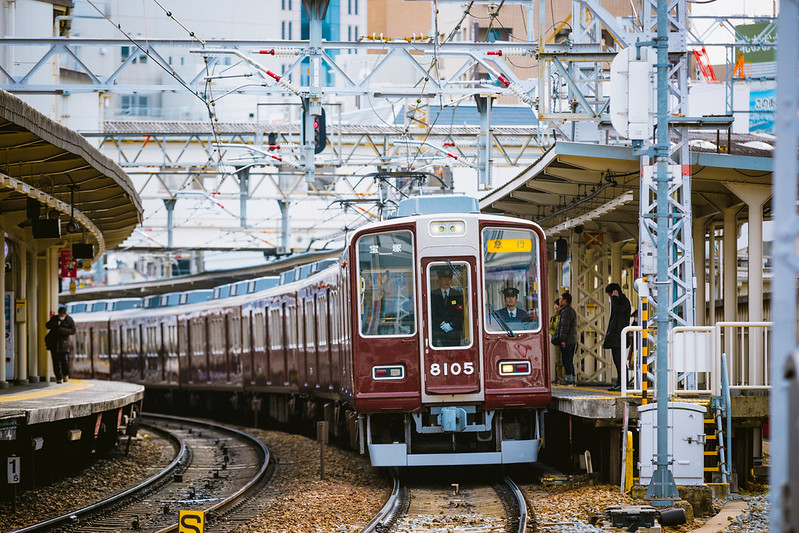
photo by hans-johnson
Japan’s still a hot travel spot in 2025! Whether you are visiting from abroad or exploring the country while living here, one thing is for sure — travel costs can add up fast. And let’s be honest, transportation is a big chunk of that. With all the trains, buses, and moving around, it is no wonder people want to cut down on those expenses.
But figuring out how to save on transport in a country you don’t know well? That is tough. Googling everything on the go can be a hassle too. In this post, we are sharing some smart travel tips that Japanese locals swear by — easy ways to keep your transportation costs low and make your trip smoother.
Know When to Travel: Peak vs Off-Peak Seasons in Japan
If you are trying to save on transportation during your trip, the golden rule is: avoid peak travel seasons. During long holiday periods, prices for trains, flights, and other transport options tend to go up due to high demand from vacationers and people returning home.
In Japan, there are four major peak seasons each year. For transportation methods like flights and cruise ships — where prices fluctuate based on how full they are — the difference between peak and off-peak can be huge. Sometimes, your travel costs might even double!
Here are Japan’s main peak travel periods:
- New Year holidays: Late December to around January 6
- Obon (summer holidays): August 13–15, plus a few days before and after
- Golden Week: April 29 to May 5, and surrounding days
- Silver Week: Late September, around Respect for the Aged Day and Autumn Equinox
Seishun 18 Ticket
The Seishun 18 Ticket is a special seasonal rail pass offered three times a year by JR (Japan Railways). It’s valid for either 3 or 5 consecutive days, and lets you ride unlimited local and rapid JR trains across Japan — making it a fantastic deal for travelers who plan to hop around by train within a region or even nationwide.
Ticket Prices (same for adults and children)
• 5-day pass: ¥12,050
• 3-day pass: ¥10,000
Seasonal Availability
• Spring Edition Sales: Feb 20–Mar 31, Valid: Mar 1–Apr 10
• Summer Edition Sales: Jul 1–Aug 31, Valid: Jul 20–Sep 10
• Winter Edition Sales: Dec 1–Dec 31, Valid: Dec 10–Jan 10
Important notes:
- You can only use this pass on local and rapid JR trains. Reserved seats and Green Cars (first class) require extra fees.
- Limited express trains and Shinkansen (bullet trains) are not covered.
- Once you start using the ticket, no refunds are available — even if you only used it once.
Seishun 18 Ticket can be purchased at JR tickets offices and travel agents across Japan.
Domestic Flights in Japan: Early Bird Deals & LCC Tips
Did you know you can save a ton on domestic flights in Japan just by booking early? The country’s two major airlines — JAL and ANA — offer big discounts if you reserve your seat well in advance. You can book up to a year ahead, but the sweet spot for early bird deals is usually 28 to 75 days before your flight.
Discount rates vary depending on the season and how early you book, but in 2025, for example: A one-way economy flight from Tokyo to Okinawa can be as low as ¥12,240
From Tokyo to New Chitose (Sapporo), around ¥12,920. That’s often faster and cheaper than taking the train!
You can search for domestic flight prices on Skyscanner, then book directly through the airline’s official website for the best rates.
Highway Buses & Overnight
When traveling medium to long distances in Japan, most people think of taking the train or flying. But if you are looking to save money, highway buses are worth considering. They take longer than trains or planes, but the savings can be huge. For example, traveling from Tokyo to Osaka costs around ¥15,000 by Shinkansen (bullet train) and ¥11,000 by plane, but only ¥4,800–¥6,300 by highway bus, nearly half the price!
Taking an overnight bus can save you even more money, as you will not need to pay for accommodation that night. Some hotels and hostels also offer luggage storage before check-in, so you can drop off your bags upon arrival, go sightseeing, and return later when it is time to check in.
JR Stopovers (Conditions Apply)
If your JR train ticket (excluding limited express tickets) covers a distance of over 101 kilometers (as calculated by JR’s official fare distance), you are allowed to make stopovers along the way. For example, the distance between Tokyo and Osaka is 552 kilometers, so stopovers are permitted. When traveling from Osaka to Narita Airport Station, you can get off at an intermediate station to do some sightseeing, then reboard a JR train from the same station to continue on to Narita Airport. This can be more cost-effective than purchasing separate tickets for each segment. The conditions for making stopovers with a JR ticket are as follows.
- The one-way fare distance must exceed 101 kilometers.
- The station where you exit the ticket gate must be within the valid travel section indicated on your ticket.
- You must not travel backward; returning in the direction you came after a stopover will invalidate the ticket.
- Your travel must be completed within the ticket’s validity period (usually two days, as printed on the ticket).
Stopovers are not permitted in the following cases. If you exit the ticket gate at an intermediate station under these conditions, your ticket will become invalid and cannot be used for further travel.
Tickets with a fare distance of 100 kilometers or less
- Tickets valid only within designated metropolitan suburban zones (e.g., Shinjuku–Matsumoto, Kyoto–Wakayama). Even if the fare distance exceeds 100 km, stopovers are not allowed within these zones.
- Coupon tickets or IC cards (e.g., Suica)
- Supplementary tickets such as limited express tickets, reserved seat tickets, or Green Car tickets. (Stopovers are only permitted with basic fare tickets.)
- Special zone fare tickets (e.g., tickets from Tokyo’s 23 wards to Osaka City). If you exit the ticket gate at any station within the same zone (e.g., within Tokyo’s 23 wards or Osaka City), the ticket becomes invalid at that point. Additionally, if you make a stopover and reboard, then exit again at a different station within the same zone, the remaining portion of the ticket is void. Example: With a ticket from Osaka to Tokyo, if you stop over at Shin-Yokohama and later exit again at Yokohama Station, the ticket becomes invalid at that point.
Travel will make you richer
To keep travel expenses low within Japan, the first tip is to avoid peak travel seasons. During busy periods, fares tend to be higher across all types of transportation, and it becomes more difficult to secure reservations. Next, be aware of the times and routes where discount fares are available. Each mode of transport has its pros and cons. For example, airplanes offer short travel times, but often involve long waiting periods, and airports are often far from your destination. Long-distance buses are budget-friendly, but travel times are significantly longer. Trains provide the best access and most reliable service thanks to the large number of stations, but aside from special passes like the Seishun 18 Ticket, there are few seasonal discounts. Understanding these characteristics will help you choose the most cost-effective option based on your travel goals and timing.